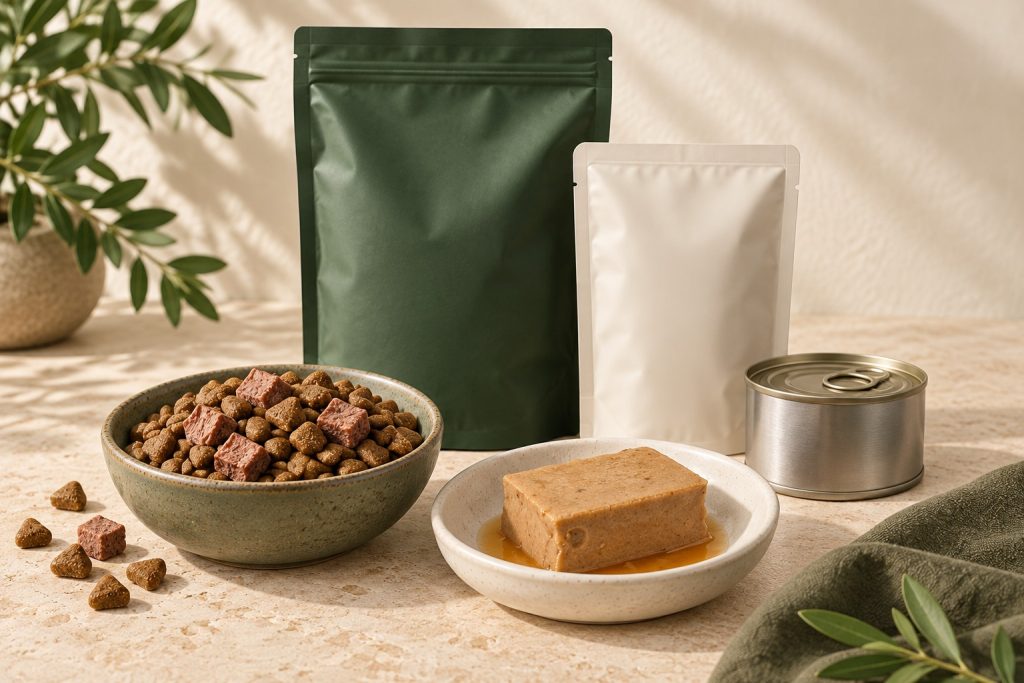

You already have a dry-food range. So what would another bag add? Baked kibble is worth considering when you want a different food format, a different eating experience, or a recipe aimed at a customer your current line doesn’t reach.
At FreshBite, our baked kibble for dog and cat ranges gives you a dry-food option to develop alongside your existing products. You can start from a suitable portfolio formula or discuss a custom recipe with us. The useful question is where a baked recipe would fit in the range you’re building.
1 Baked Kibble Gives You a Distinct Food Format
Adding another protein flavor gives shoppers more ingredient choices. Baked kibble also gives them a choice in how their dry food is made. That can make the difference between two products easier to explain on a shelf or an online product page.
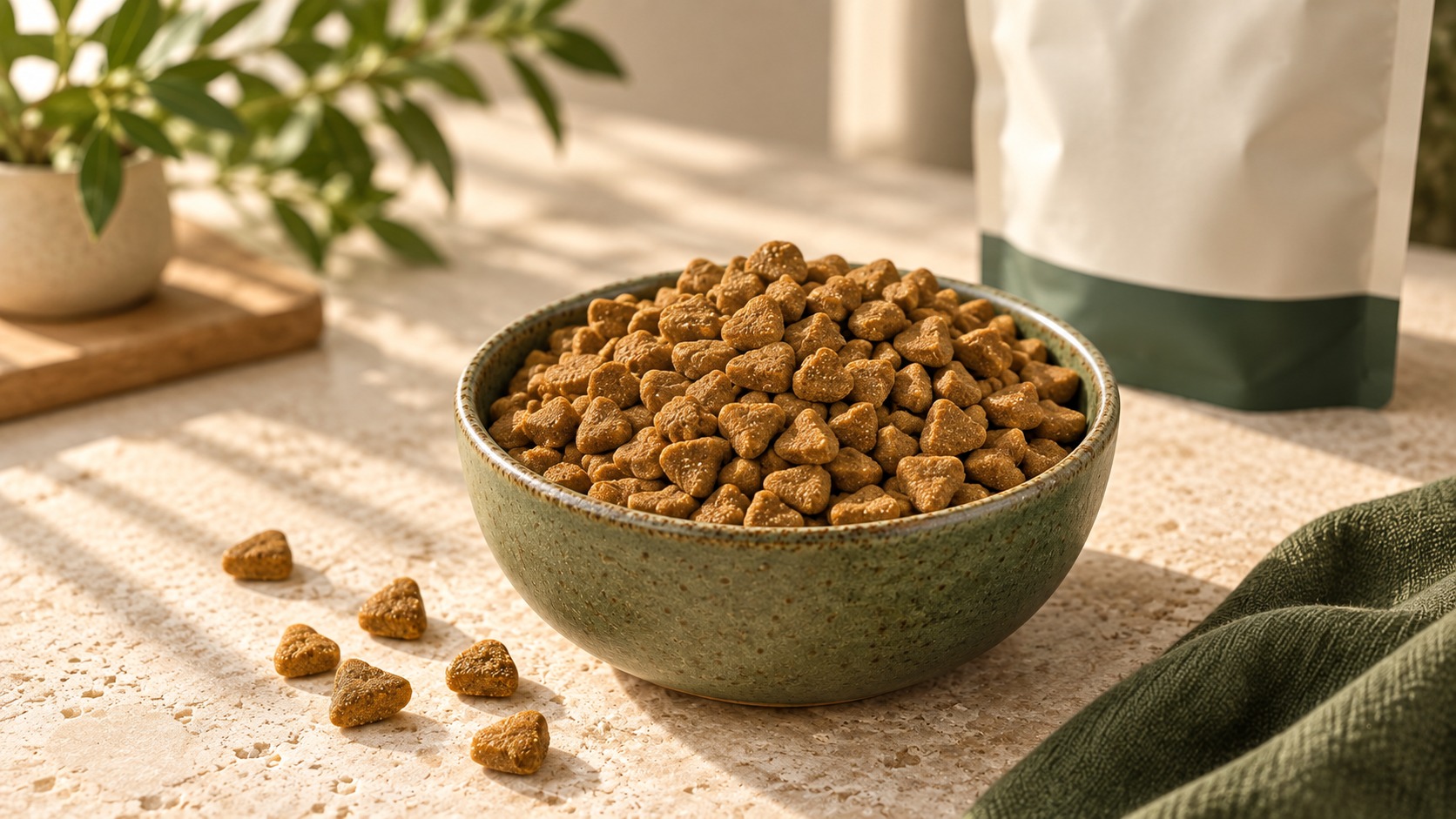
Baked kibble goes through an oven-baking process. Conventional extruded kibble is cooked and shaped with heat and pressure in an extruder; we’ve explained that route in our guide to how extruded kibble is made. The difference gives you a straightforward description for a baked product: “Oven-baked dry pet food.” Then you can tell shoppers which pet the recipe is for, what goes into it, and how to feed it. The process belongs beside those details, where it helps people understand the bag they’re buying.
For example, you might keep an established extruded adult-dog recipe and add a baked adult-dog option. A retailer can explain the two formats without introducing a whole new food category. Your website can show the finished pieces side by side and describe their actual differences. The word baked describes the process. Nutrition depends on the recipe. Once someone opens the bag, they’ll see and smell the food you’ve described.
2 Baked Kibble Adds a Different Texture and Aroma
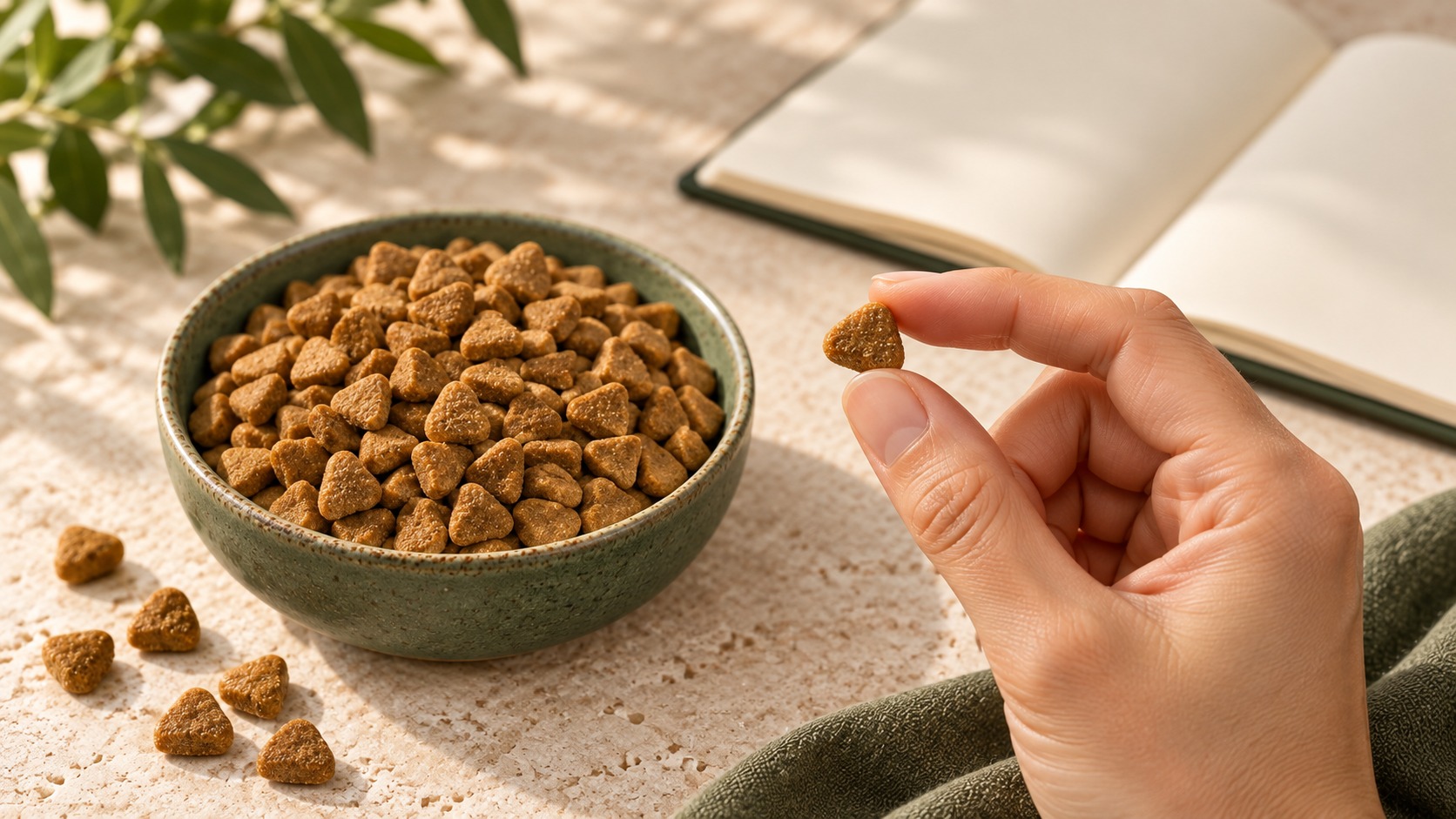
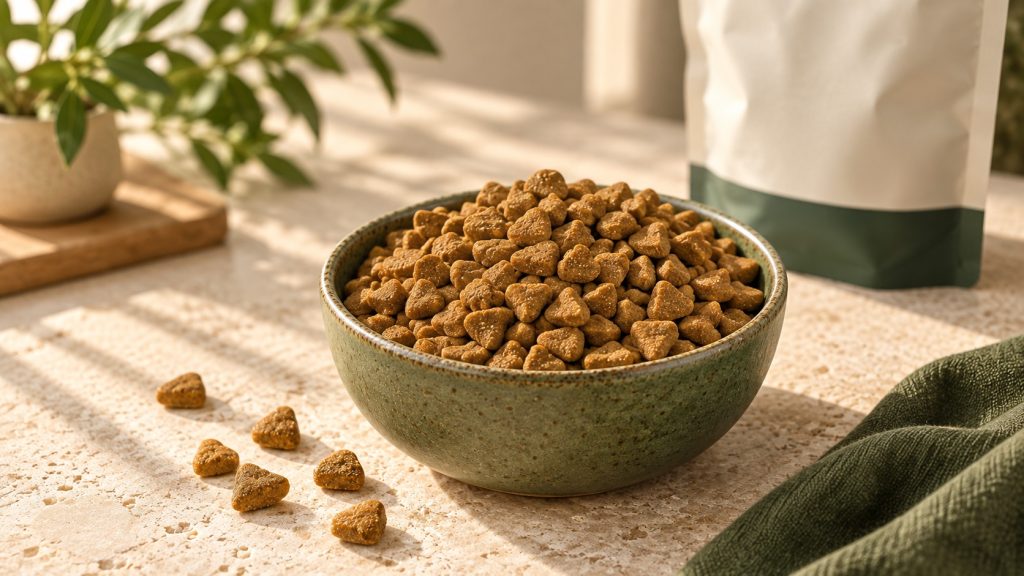
Your customer buys the bag, but their pet eats what’s inside it. A different kibble texture, appearance and aroma can give your baked line a reason to exist beyond the words on the front. FreshBite’s baked dry food follows a slow-baking process that produces a different texture and appearance from our conventional extruded format, with a rich aroma and flavor.
Think about the product you want to put in a bowl. A small piece for a cat range and a larger piece for an adult-dog range create different eating experiences. Thickness, shape, and the way a piece breaks matter, too. A photograph shows the outline, but it can’t tell you how the piece feels or how much it crumbles. When we discuss a baked project, we can work through the size, shape, and desired texture with you, then prepare samples before you settle on the final specification. Holding the sample lets you feel the thickness and see how it breaks.
If your range targets selective eaters, the aroma and bite deserve as much attention as the ingredient name. That doesn’t mean every dog or cat will prefer a baked recipe, or that baked kibble is always softer. It means you have another format to explore for the pet you’re targeting. We recommend making that target clear: “adult cats that already eat dry food” is a more useful starting point than “something every pet will love.” That choice also makes the recipe conversation much more specific.
3 Baked Kibble Can Fit Your Own Recipe Brief
Choosing a baked format doesn’t mean you have to accept one fixed recipe. You can bring us a brief for dry dog food or dry cat food, with the life stage, ingredient direction, and price point you have in mind. Those decisions give your custom pet food line a clear purpose. For an adult-dog launch, for example, you might want a named animal protein, a particular grain direction, and a bag price that fits your current retailers. A cat-food project starts with a different nutritional brief, even if both products are baked.
We offer two development routes. If a formula in our portfolio fits your requirements, we can screen it with you and move into the sample discussion. If you need a different recipe, we can discuss custom development. Our dry pet food OEM/ODM service connects those formula decisions with kibble specifications, samples, and packaging. A portfolio recipe gives us a starting point to discuss. With custom development, we work from your ingredient and nutritional requirements. Both routes connect your proposed bag price and ingredient choices with a finished baked product.
The words “complete food” deserve care here. For the US market, the FDA explains that a “complete and balanced” claim depends on meeting an applicable AAFCO nutrient profile or passing a feeding trial using AAFCO procedures. Baking alone doesn’t establish that. We develop the recipe for the species and life stage you plan to name on the pack. With that settled, you can think about how the product will fit into an owner’s daily routine.
4 Baked Kibble Keeps Dry-Food Feeding Familiar
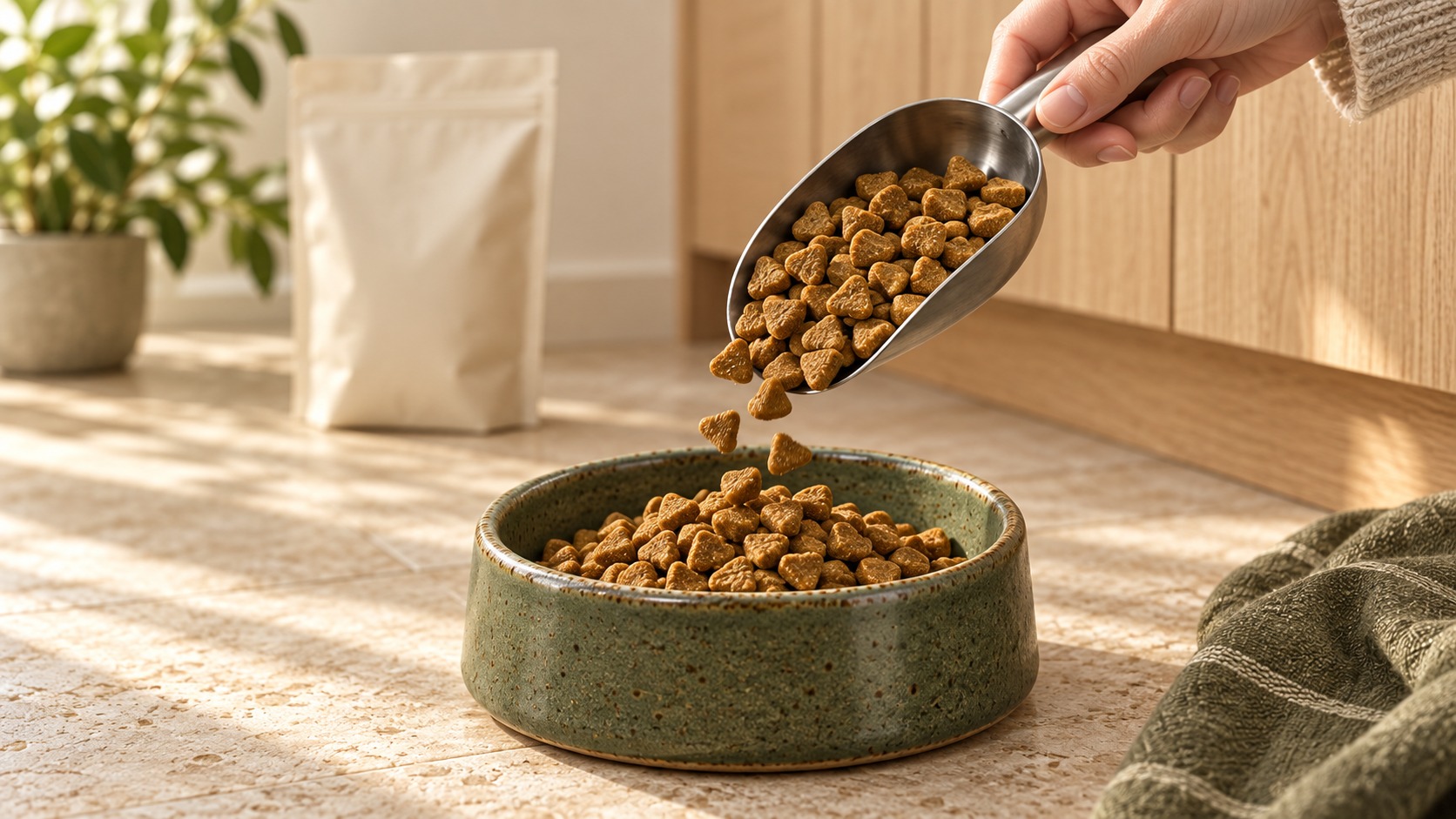
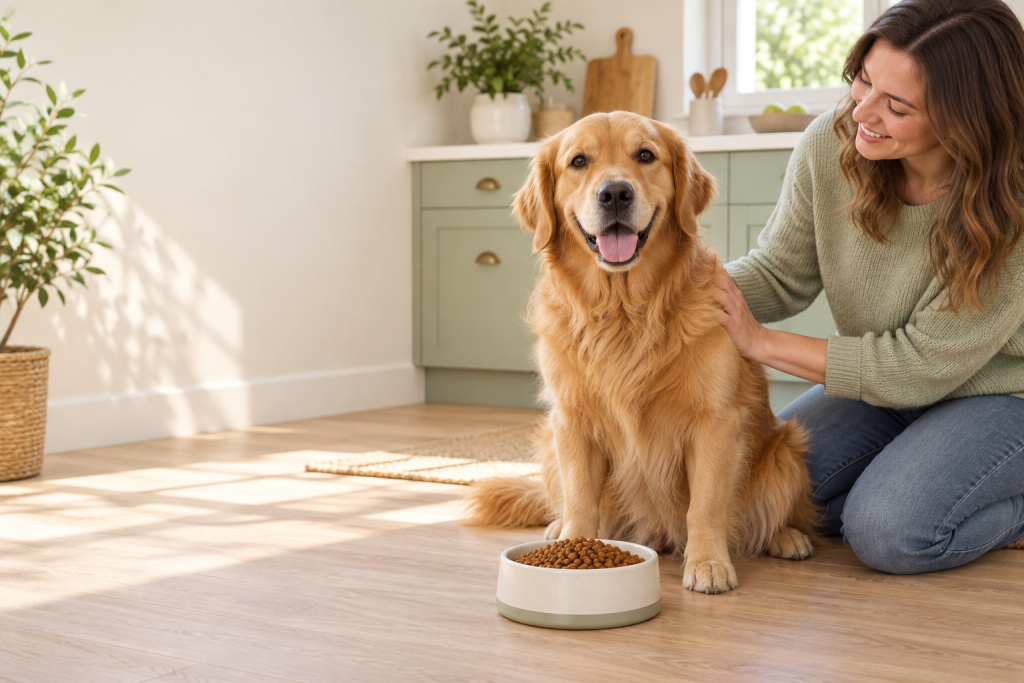
One reason to add baked kibble is that it changes the food format while keeping the serving routine familiar. It’s still dry food. Owners can measure a portion and serve it according to the pack’s feeding directions, without adopting the thawing routine of a frozen diet. That makes a baked line worth considering when your customers want another dry-food choice for everyday use, travel, or feeding by someone else in the household.
The bag matters to that routine. Consider an owner who feeds one cat and keeps the food in a kitchen cupboard. A large bag may offer a lower purchase price per kilogram, but a smaller bag could be a better fit for how quickly that household uses it. For your baked line, the pack size, closure, and storage directions should work together. We can discuss bag sizes and packaging structures as part of the project. The finished recipe and packaging determine the shelf life and the storage directions you put on that bag.
The FDA’s pet-food storage guidance recommends keeping dry food in a cool, dry place and retaining the original bag or its identifying information. For a baked-kibble product, clear storage instructions and readable lot and date information help owners keep those details close to the food. A new baked option can fit the place where customers already store and serve dry food. That familiar use gives you room to expand the range without asking every customer to change their routine.
5 Baked Kibble Can Expand Your Range One Recipe at a Time
You don’t need to replace your current best-selling kibble to try a baked line. Keep an established recipe and add a baked option for a customer or price point it doesn’t cover. We recommend starting with a customer and a product you can describe in one sentence. Perhaps it’s an oven-baked adult-dog recipe alongside your everyday extruded range. Or it could be a baked cat-food option for customers who want to stay with dry food but try another texture.
The role depends on what you already sell. These are possible starting points, rather than a reason to launch every variation at once:
| Your current range | A possible baked-kibble addition |
|---|---|
| Adult-dog extruded food | One baked adult-dog recipe offered alongside it |
| Dry cat food | One baked cat recipe with its own piece size and texture |
| Several dry-food recipes | A baked option for a clearly chosen pet and price point |
Keeping the first addition focused also makes the commercial discussion concrete. You can compare the quotation for that baked recipe and pack with the retail price you intend to offer, then account for freight and your selling costs. A different cooking method doesn’t guarantee a higher margin. At FreshBite, the formula and packaging affect the minimum order quantity, so we confirm that in the project quotation. One defined recipe lets you consider its order volume, bag, and selling price together before widening the line. If it fits your range, you have a clear starting point for a later extension.
Choose Where Baked Kibble Fits in Your Line
Baked kibble earns a place in your custom range when the differences matter to the customer you want to reach. You have a named cooking format to explain, a different texture and aroma to explore, room to develop a recipe, and the familiar use of dry food. Choose one recipe with a clear reason for shoppers to pick it up alongside your existing food.
We’d begin with the pet you’re making it for and the gap in your current range. Is your first baked product for adult dogs or cats? Do you already have a formula direction, or would you like to explore a portfolio option? Talk with our team about your baked-kibble project and share your intended market, preferred bag size, and expected volume. We’ll use that brief to discuss the recipe and sample route.
Baked Kibble FAQs
Is baked kibble better than extruded kibble?
The cooking method alone can’t answer that. You need to consider the final recipe, nutritional adequacy, and the pet it’s intended for. Baked kibble can offer a different texture, appearance, and aroma, which may suit the product you’re developing. Compare the products you plan to offer, including their recipes and how pets respond to them, before choosing a format.
Can baked kibble be a complete food for dogs and cats?
Yes, you can develop a baked recipe as a complete diet, but its final nutritional specification must support that use for the intended species and life stage. “Baked” describes the process. It doesn’t establish completeness. Dog and cat recipes have different requirements, so we discuss the intended diet and destination market when developing your product.
Can we launch private-label baked kibble with an existing formula?
Yes. Tell us which pet you want to feed and what the product needs to offer. We’ll look for a portfolio recipe that suits that brief. You can also work with us on a new formula when the available options don’t fit. Share the pet, market, ingredient direction, and preferred pack so we can discuss a starting point. You can review samples before confirming the final specification; the formula and packaging also determine the quoted MOQ.