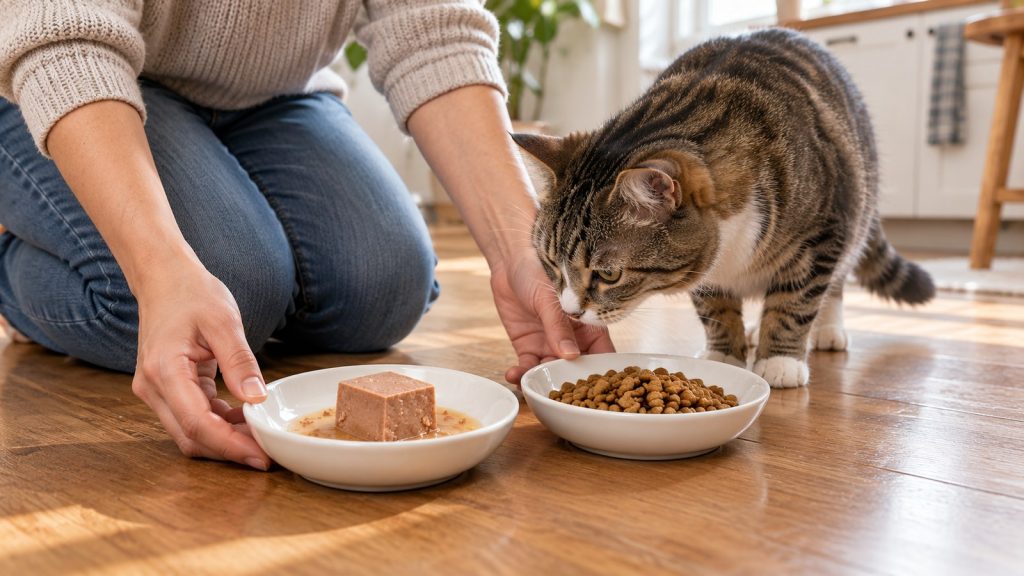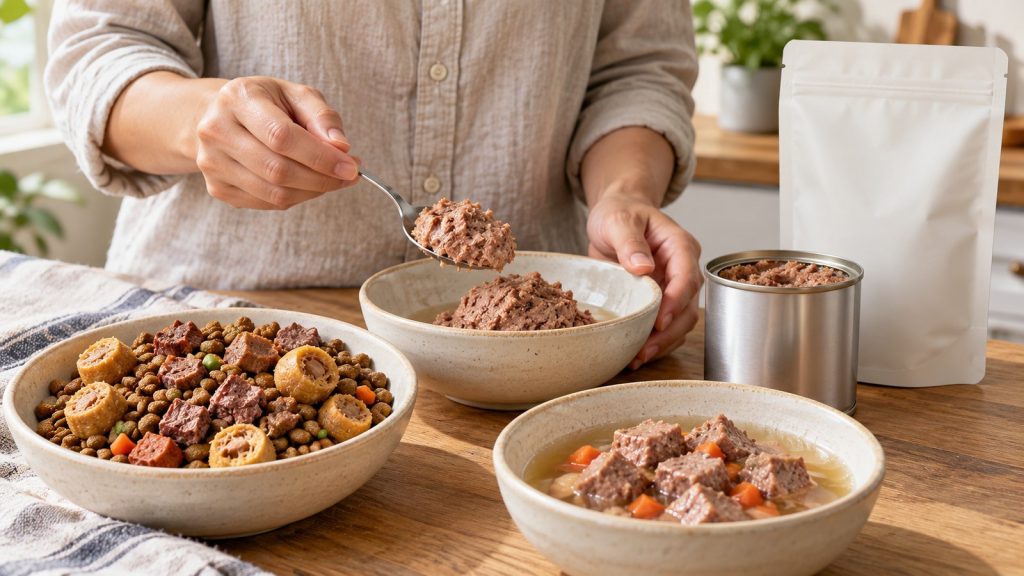

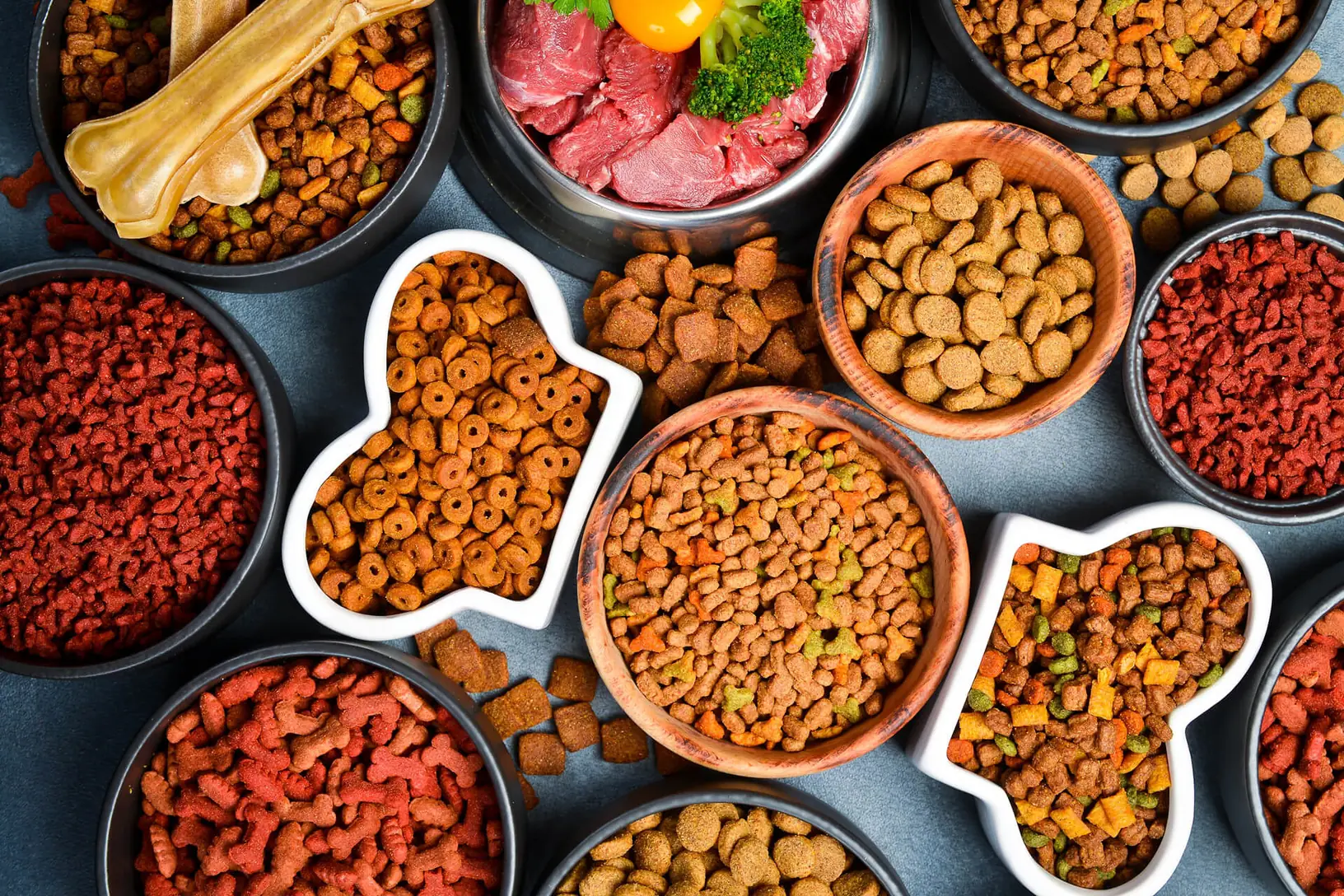
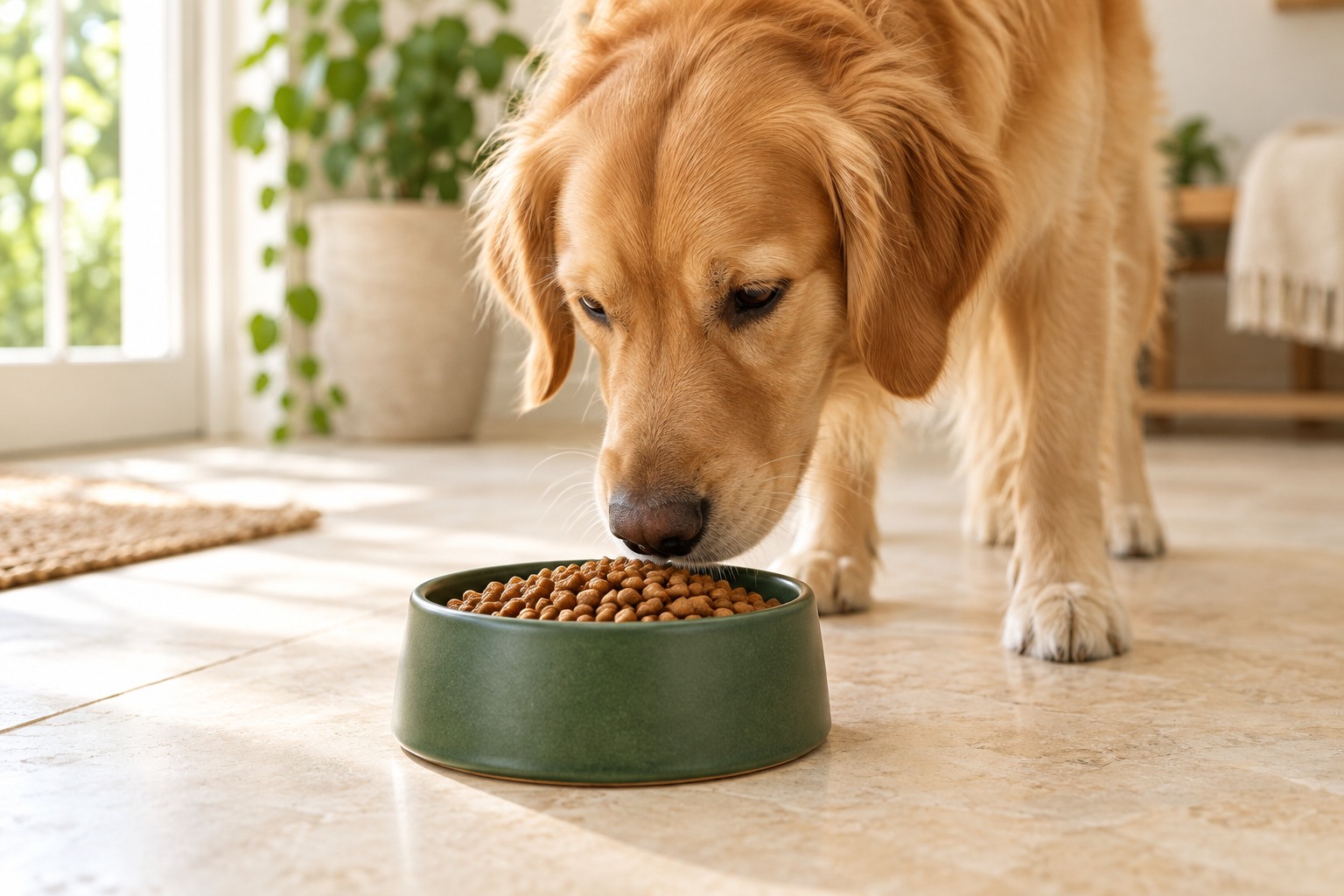
Palatants are ingredients or ingredient blends added to pet food to make it more appealing through aroma and taste. If you’re developing a dog or cat food, they can help shape what happens when the pet reaches the bowl: the first sniff, the first bite and the decision to keep eating.
That doesn’t mean the strongest-smelling sample is the best choice. A palatant works within a recipe, and the food’s texture, fat, ingredients and preparation all affect the response. Your aim is a finished food that the intended pets willingly eat. Judge the palatant in that sample, as well as smelling it on its own.
What Are Palatants?
A palatant is something you add; palatability is the response you’re trying to improve. A food’s palatability describes how appealing it is and how readily a pet eats it. Palatants are also called flavor enhancers or palatability enhancers, but they aren’t one fixed ingredient with one fixed result.
Many palatants contain an animal digest or protein hydrolysate. Those terms describe material whose proteins have been broken into smaller components, such as peptides and amino acids. Other formulations use yeast-derived or plant-derived ingredients, or combine several sources. A research review of dry pet food flavor enhancers describes this range of ingredient systems, rather than a single recipe that suits every food.
If you’re considering a product from our palatants range, the useful starting point is the food you want to improve. An adult-dog kibble and a cat-food gravy offer different conditions for the palatant, even when you’re trying to create a similar savory impression.
Keep the nutrition question separate. A food can be appealing without providing everything a pet needs as its daily diet. The FDA’s complete-and-balanced guidance explains the US nutritional-adequacy requirements behind that claim. Adding a palatant, or winning a preference test, doesn’t establish nutritional completeness.
How Palatants Work from the First Sniff to the First Bite
Aroma gives a pet information before it eats. Volatile compounds leave the food and reach the nose, so a coating can change the smell presented at the bowl. That makes aroma part of the palatant’s job, but “more smell” and “more appealing” aren’t interchangeable.
A pilot study of food and food-odor preferences in six pet dogs makes that distinction useful. In the food trials, dogs consumed more of their first-selected food in 89% of tests. However, the separate odor-only task didn’t establish preferences between the food odors. The result supports looking at the food choice and actual eating together; it doesn’t give us a rule that the strongest aroma will win.
Taste comes into play when the pet licks or bites the food. Palatants may supply taste-active compounds as well as aromas. These compounds don’t need to smell strong to have an effect in the mouth, and a blend’s response can depend on how its components work together.
Cats give us a clear reason to avoid judging palatants by human taste. Research on the feline sweet receptor found that cats lack a functional receptor for sweetness. A sweet flavor that appeals to you therefore isn’t a reliable starting point for a cat-food project.
Their savory taste response is different, too. In a study of feline umami perception, researchers found that nucleotides activated the cat’s umami receptor and some amino acids strengthened the response when combined with a nucleotide. The study also examined cats’ preferences for the test solutions. It helps explain why mixtures matter, while leaving the finished-food question to feeding tests.
And then there’s the bite itself. A powder on a kibble surface doesn’t tell you whether the piece has the right size or texture for the intended pet. A palatant can contribute to the eating experience while the underlying food still needs attention. You need to consider the sample the pet eats, from its aroma through to its texture.
How Palatants Are Applied to Pet Food
Palatants are commonly supplied as liquids or powders, and some applications use both. You’ll choose the delivery form around your recipe and the way you apply it. A liquid isn’t automatically more effective than a powder, and neither tells you whether the product will work in your recipe.
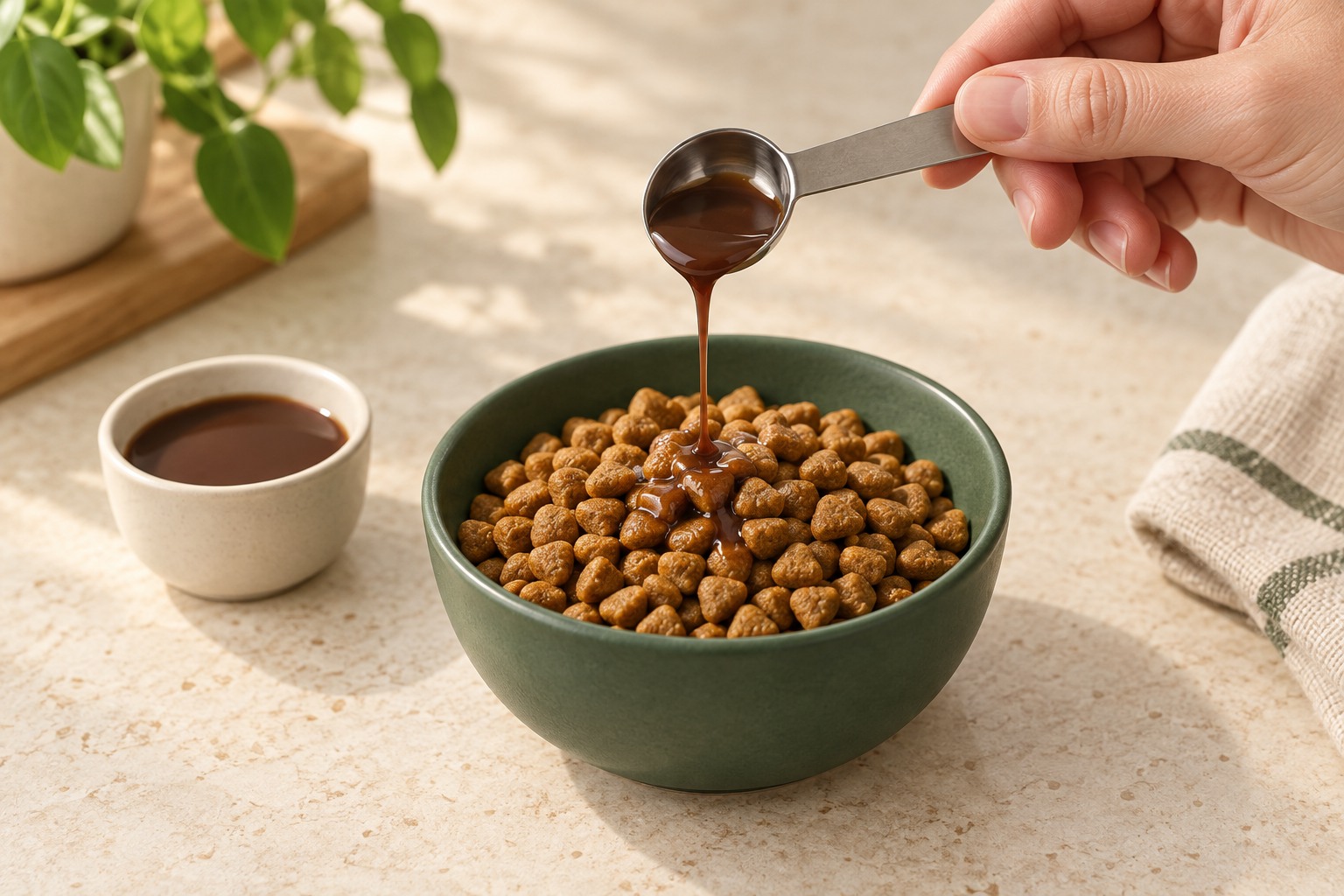
Surface application is one common route for dry food. Liquid may be sprayed onto kibble, powder may be distributed over it, or the food may receive a combination of coatings. That puts the palatant where the pet first encounters the piece. Other products use palatants within the recipe, so the flavor system is part of the food rather than only its surface. A review of palatant formulation and application describes both the ingredient systems and the need to account for processing.
The way a palatant is prepared matters as well. Hydrolysis breaks proteins into smaller components. Heat can then generate aroma compounds through reactions between amino compounds and sugars, often called Maillard reactions. This is one route used to develop savory or roasted notes; it isn’t a process that every palatant must follow.
A dog-food attractant study comparing three protein sources examined hydrolysis, aroma compounds and feeding responses together. The researchers prepared mixtures from chicken liver, mushroom and mealworm, then sprayed them onto the same base food. Those feeding responses were results for the tested mixtures and samples. You can’t pick a “liver” ingredient and assume you’ll get the same response.
For your project, the practical question is where and how the palatant will meet the food. A surface coating on finished kibble and an ingredient mixed into gravy undergo different handling. Discuss the intended application alongside the base recipe, rather than choosing a palatant and leaving the food process for later.
The same applies when you change an existing product. If you alter the food’s fat, texture or cooking process, don’t assume the previous palatant will give the previous response. Review the new finished sample.
How Palatants Are Tested in the Finished Food
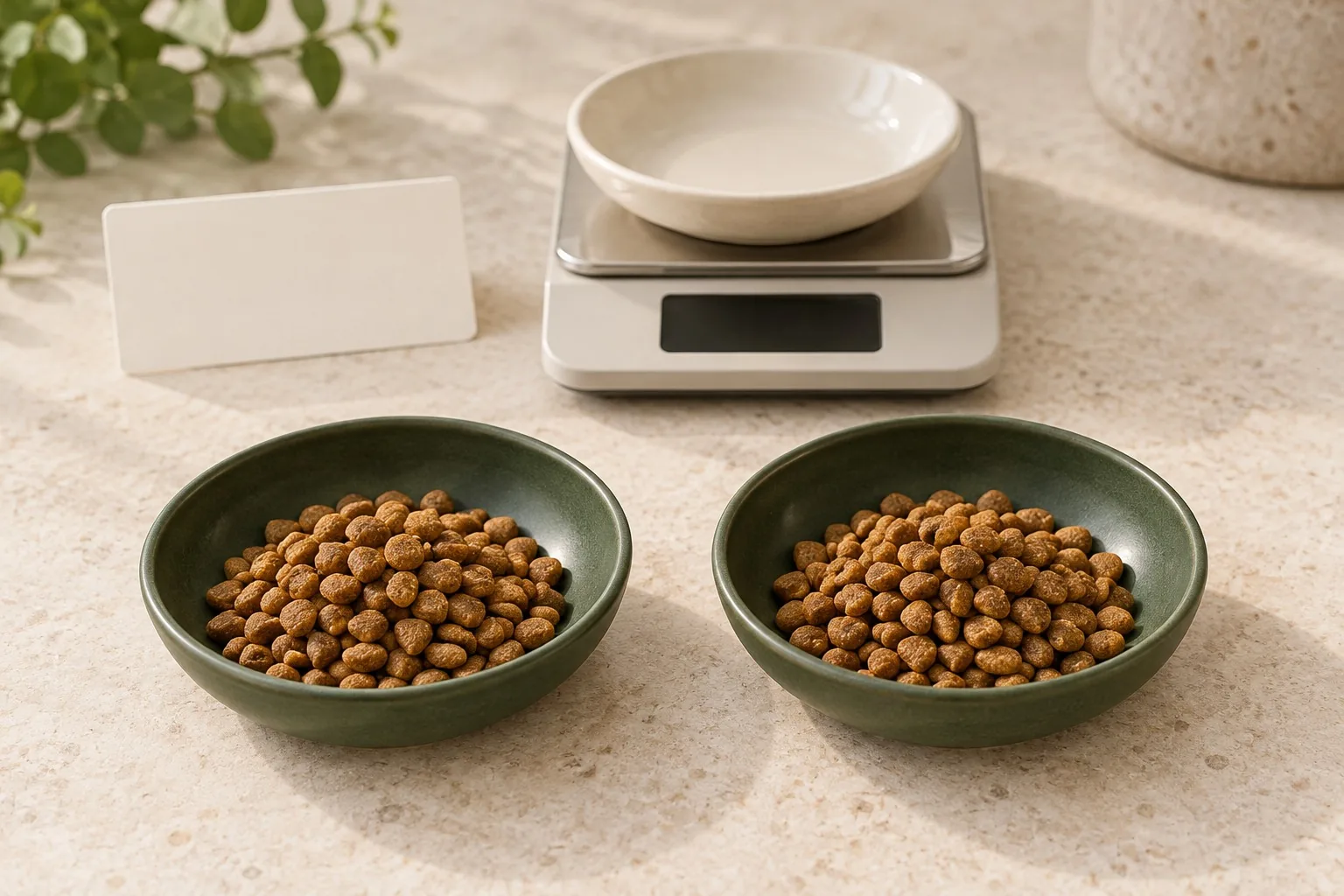
Feeding tests show how pets respond to the finished samples. They turn your idea for better feeding appeal into something you can observe and measure. The first decision is whether you want to know if pets accept one food, or whether they prefer it to another.
A review of food-preference methods for dogs and cats explains the difference between the two common approaches:
| Feeding test | What the pet receives | What it helps you understand |
|---|---|---|
| Single-bowl acceptance | One food during a defined feeding period | How readily the pet consumes that food when it is the available meal |
| Two-bowl preference | Two foods offered side by side | Which of those foods the pet eats more of under the test conditions |
Suppose you’re considering two coatings for an adult-dog kibble. Using the same base food lets you compare the coating options without also changing the protein source, piece shape and fat content. If you change all those things at once, a preference for one sample won’t tell you which change drove it.
In a two-bowl comparison, first approach and first eating choice are worth recording, but they aren’t the whole answer. A dog may sniff one bowl and eat from the other. The amount consumed shows what happened after the initial interest. Bowl positions also need attention: switching sides helps reduce the chance that a left-or-right habit is mistaken for a food preference.
Single-bowl observations answer a different question. A food that wins a side-by-side comparison still needs to work as the available daily meal. Repeated meals help you see whether acceptance continues after the sample is new. Feeding history, the setting and calorie differences can affect intake, as a review of dry pet food palatability methods discusses.
For example, a finding that dogs ate more of Sample A than Sample B is a result about that pair of foods and the test conditions. It isn’t proof that every dog will prefer A, that cats will respond the same way, or that A has better nutrition.
Compare the complete samples in a feeding test that answers your product question. That gives you a clearer basis for discussing a sample than “pets loved it.”
Put Palatants to Work in Your Pet Food Project
At FreshBite, you can discuss suitable options from our existing palatant formulas or a solution developed for your application. Our OEM/ODM pet food service connects formula development with samples, taste or nutritional testing, and production discussions.
Tell us what the pet will actually eat. For an adult-cat kibble project, that means discussing the base recipe and the finished piece alongside the flavor you want to explore. For a gravy product, it means discussing the food and its preparation together. We can review your requirements and prepare samples for the project.
A useful palatant brief describes the intended food and the response you’re aiming for. Keep nutrition, texture and feeding purpose in that conversation. Then let the finished samples show you what needs further work.
Bring us your pet food idea, whether you’re developing a new recipe or revisiting the feeding appeal of an existing one. We can discuss the formula and sampling route with you.
Palatants FAQs
Are palatants always made from meat?
No. Palatants may contain animal-derived ingredients, yeast-derived or plant-derived ingredients, or a mixture. The source is one part of the product specification; processing and the other components also matter. If your food has a particular protein or ingredient requirement, discuss the whole palatant formulation rather than assuming its name tells you everything it contains.
Do all pet foods need the same palatants?
No. The intended species, base recipe, texture and application affect the choice. A palatant evaluated on one dog-food kibble doesn’t automatically give the same result in cat food or gravy. We recommend treating it as part of the finished recipe, with the intended application and feeding response discussed before you settle on a sample.
Does more palatant always make pet food more appealing?
No. There isn’t a universal amount that makes every food more appealing. The response depends on the palatant and the food, so a higher addition shouldn’t be treated as an automatic improvement. Compare suitable samples in the finished recipe and consider the whole formulation. A stronger aroma to you isn’t proof of better acceptance by the pet.